EXCLUSIVE: In an internal meeting, BBC director-general Matt Brittin told staff the corporation is not opposed to LGBTQ+ people after employees raised angry questions about edits that removed transgender-rights symbols from television programmes.
At a town hall on Thursday, Brittin faced around a dozen queries from colleagues about how the broadcaster handles LGBTQ+ issues and its content decisions.
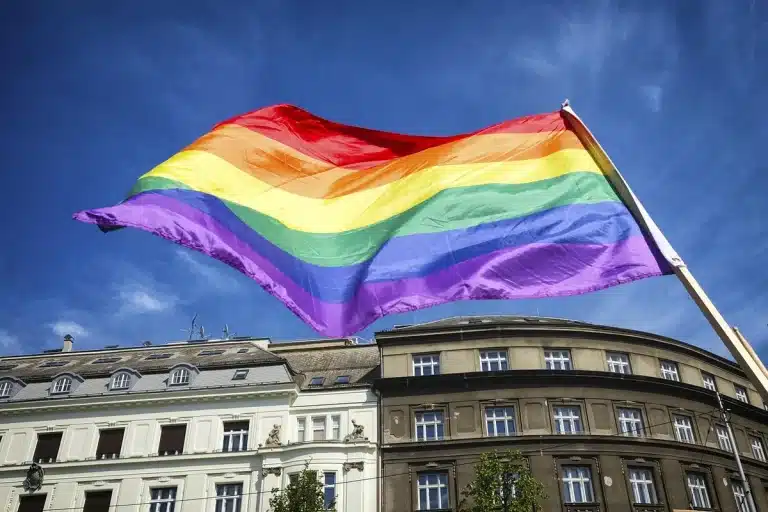
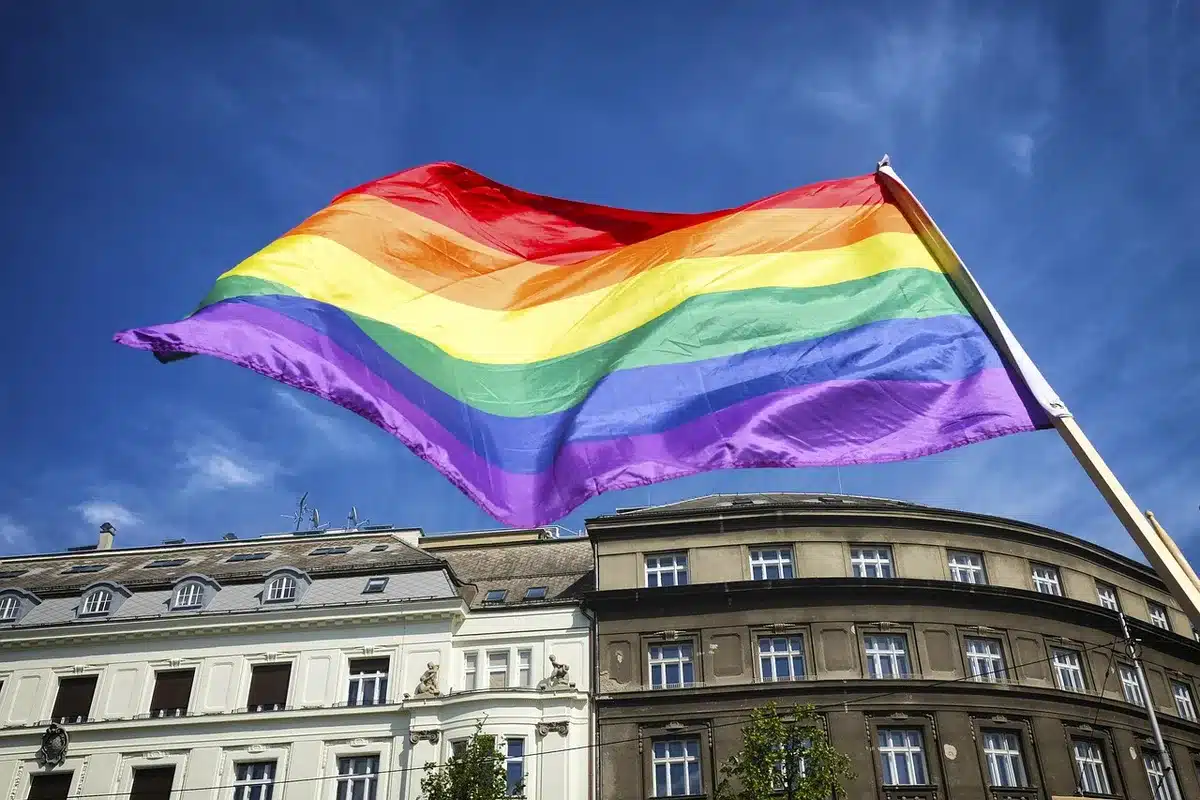
The scrutiny comes after two recent incidents. The BBC blurred the slogan “Protect the Dolls” on a T‑shirt worn by Bethany Antonia — the House of the Dragon actress who later appeared on Strictly Come Dancing — and, later in October, digitally edited out small pride‑flag pins worn by contestants on University Challenge, the quiz show presented by Amol Rajan.
One staff member at the meeting compared those edits with the corporation’s long‑standing practice of enforcing the wearing of Royal British Legion poppies by presenters as a mark of remembrance for armed forces personnel.
That comment, which Deadline reviewed and which had been upvoted more than 100 times inside the company, asked whether the different treatment amounted to hypocrisy and suggested the BBC might be anti‑LGBTQ+, particularly anti‑trans.
An audio recording of the session obtained by Deadline captures Brittin denying that claim. He said the BBC is not an anti‑LGBTQ+ organisation and stressed the broadcaster aims to include everyone.
Brittin went on to outline a tension he sees at the heart of the BBC’s role: the obligation to maintain editorial impartiality in news and journalism can sometimes clash with the organisation’s desire to be an inclusive workplace where all staff and audiences can flourish. He pointed to the corporation’s stringent editorial rules — which underpin practices such as poppy‑wearing — and said these standards are regularly reviewed and must adapt as social norms change.
Not all employees found that explanation convincing. One asked why, if the BBC really isn’t anti‑trans, so many trans people and their supporters believe otherwise.
Another staffer said there are people over 25 refusing to pay the licence fee because of what they see as the BBC’s stance on trans issues, and asked for clarification on the editorial rules and why symbols expressing support for trans people are being barred. They said the initial response did not address fears that the BBC is quietly siding with transphobic views.
Colleagues echoed those concerns. “How can we in good conscience expect LGBT audience members and their loved ones to pay for a ‘service’ that treats their lives as a matter of controversy?” one person asked. Another argued that the phrase “Protect The Dolls” is a statement of fact about people’s lives and identities, and that treating it as an editorial choice to permit or ban is, in itself, anti‑LGBTQ+.
During the meeting Brittin mentioned ongoing training programmes the BBC is rolling out to tackle antisemitism and Islamophobia among staff. That prompted a question about when anti‑transphobia training would be provided, with an employee saying trans people are experiencing active demonisation and attacks — including from the BBC — and that the issue is not receiving sufficient attention internally.
Concerns were also raised about recent commissioning decisions. One employee described the BBC’s cancellations of RuPaul’s Drag Race UK and the queer dating series I Kissed a Girl/Boy as deeply harmful to LGBTQ+ staff and audiences.
Others criticised news coverage. One person asked how many senior editors view being trans as a political or debatable topic, noting what they see as an increasing tendency to dehumanise trans people in news copy and a presumption that audiences cannot grasp the basic concept of a trans person.
The row over removing LGBTQ+ emblems is the most recent flashpoint in a longer dispute between trans communities and the BBC. In 2021 more than 20,000 people signed an open letter accusing the corporation of failing to report responsibly on transgender issues. Protesters gathered outside BBC headquarters in both 2021 and 2022, urging the broadcaster to change how it represents trans people.

Daniel Hayes is a business journalist with a focus on market trends, startups, and corporate strategies.
His sharp analysis and investigative reports make complex financial topics accessible to all readers.