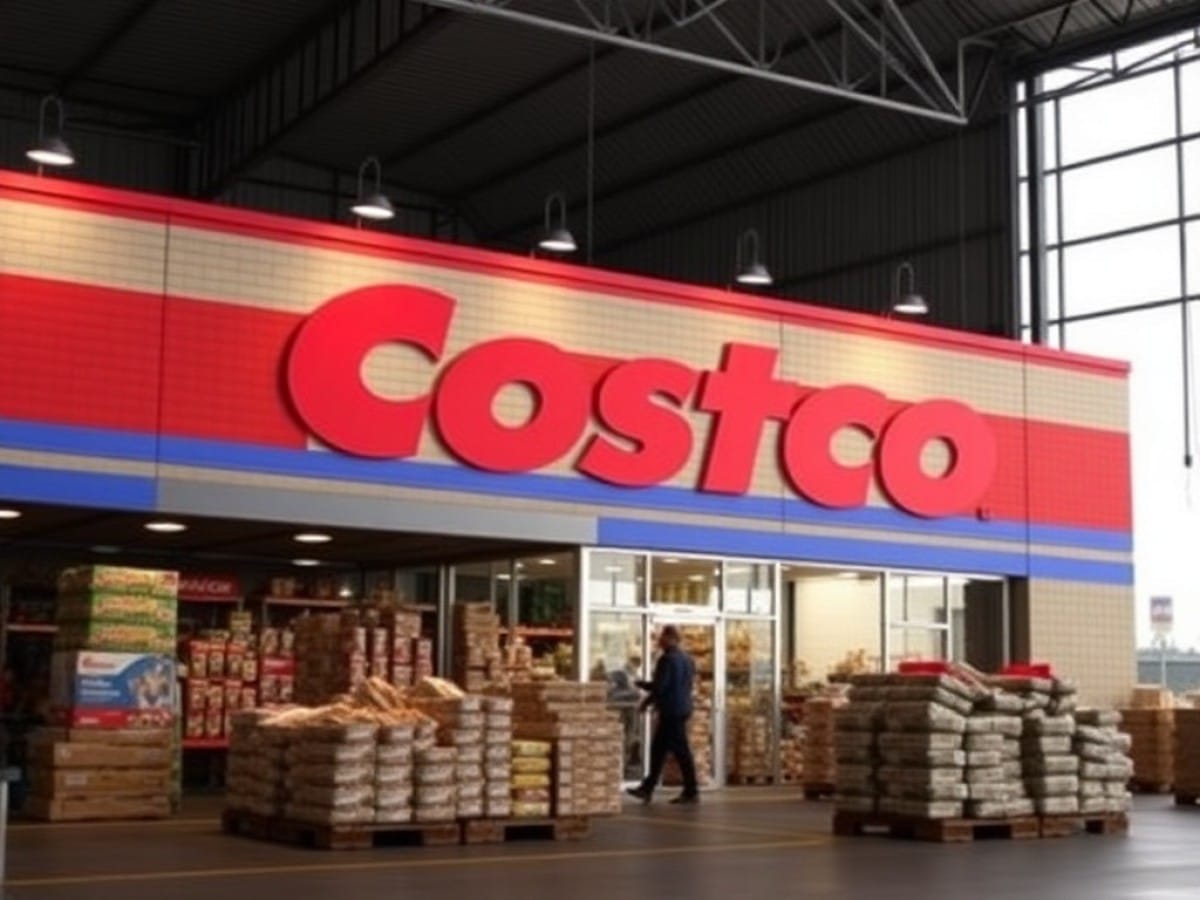
The Rise of Costco as the Bulk Buying Champion
Costco, now renowned for its vast warehouses and incredible bulk purchasing deals, had humble beginnings that traced back to an unlikely location—an old airplane hangar. Initially, its business model was solely focused on serving other businesses, a strategy that set the stage for its future success.
Early Beginnings and Strategic Decisions
Costco’s journey began when it opened its doors in 1976, operating under the name Price Club. This first store was located in a repurposed airplane hangar in San Diego, California. The founders, James Sinegal and Jeffrey Brotman, chose this unconventional space primarily due to the cost efficiency it offered. They capitalized on the expansive space to stock a wide range of products in larger quantities.
Initially, Price Club targeted a specific market segment—small businesses, offering them the benefits of purchasing goods in bulk, thus saving on per-unit costs. This approach was revolutionary at the time, as it tapped into an underserved market of small business owners who were eager to reduce operational costs.
Growth and Expansion
The concept quickly proved successful, attracting a significant number of business customers who appreciated the savings and convenience offered by Price Club. Encouraged by this success, the company soon began to explore the idea of expanding its customer base to include individual shoppers. This strategic pivot was not without risks, as it deviated from their original business-only model. However, it ultimately proved to be a wise decision, broadening their market and increasing their sales volume.
In 1983, the first Costco warehouse opened in Seattle, marking the official launch of the brand as it’s known today. This new venture retained the core idea of wholesale buying in bulk but made it accessible to a wider audience, including individuals and families. The membership-based model added a sense of exclusivity and loyalty among customers, further enhancing its appeal.
Building a Retail Giant
Costco’s strategy of combining high-quality products with low prices fueled its growth. The company focused on selling a limited selection of products in each category, opting to stock only items that could be sold quickly and at lower prices. This approach not only simplified inventory management but also ensured that savings were passed on to customers, a key factor in building customer satisfaction and retention.
As Costco continued to expand, it consistently invested in improving the shopping experience. This included everything from the physical layout of the stores to the efficiency of operations. The spacious aisles and straightforward store design facilitated an easy and quick shopping experience, resonating well with customers who valued both time and money.
Costco Today
Today, Costco stands as a leader in the wholesale club industry, with hundreds of locations spread across the globe. It has successfully maintained its commitment to quality and value, winning over millions of loyal members. The company’s ability to adapt to changing market conditions and consumer preferences continues to drive its success.
From its inception in an old airplane hangar to becoming a household name, Costco’s journey is a testament to strategic vision and steadfast customer focus. It remains a prime example of how innovative business models and dedication to service can lead to remarkable success in the retail sector.

Ethan Caldwell is a seasoned journalist specializing in world affairs and international relations.
With over a decade of experience covering geopolitical events, he brings sharp analysis and in-depth reporting to Urimuri.