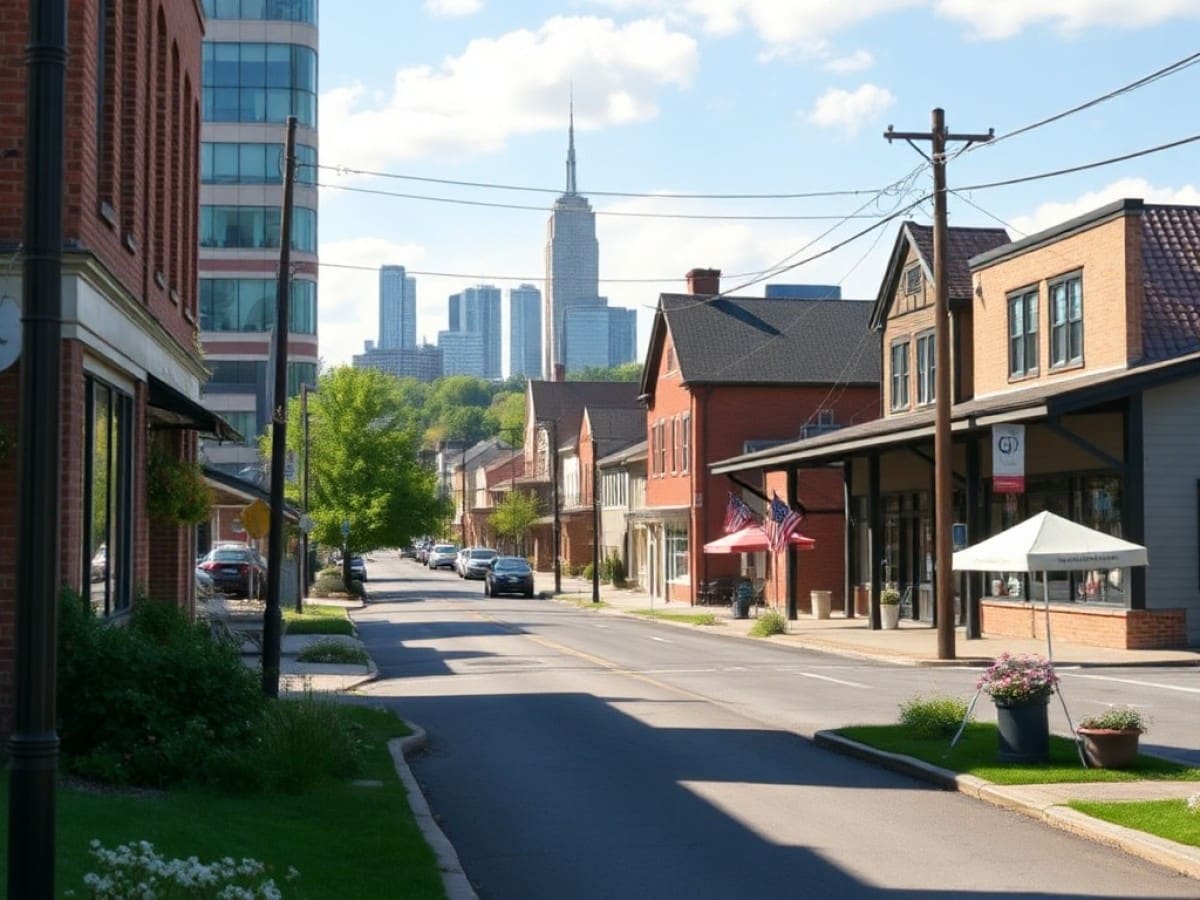
Transitioning from Urban to Rural: A Business Owner’s Journey
For many years, I dedicated myself to cultivating a professional life in a bustling metropolis. The fast-paced environment and abundant opportunities were invigorating, yet I reached a point where a change was necessary. That change involved moving from the big city to a quaint, smaller town. This decision, it turned out, was incredibly beneficial for me both personally and as an entrepreneur.
Embracing a New Lifestyle
Relocating to a small town offered a stark contrast to the urban lifestyle I was accustomed to. The slower pace, tight-knit community, and the simplicity of daily routines provided a refreshing new perspective. As a business owner, this move allowed me to rethink and re-strategize my approach to business, taking advantage of the unique dynamics of a smaller market.
In the city, competition was fierce, and the market was saturated with similar products and services. However, in my new small-town setting, I found that I could leverage my big-city experience to introduce new concepts and innovations that were previously unavailable locally. This not only set my business apart but also allowed it to thrive in a niche market.
Building Connections in a Close-Knit Community
One of the most significant advantages of living and working in a smaller town is the ability to build stronger, more personal connections with customers and local businesses. In a big city, the vast number of options can often feel impersonal and transient. In contrast, a smaller community values relationships and personal touch, which helped me to quickly establish trust and loyalty among my customer base.
Moreover, networking in a small town tends to be more straightforward and effective. The close connections I formed with other local business owners facilitated partnerships and collaborative opportunities that would have been more challenging to cultivate in a large city due to the sheer volume of competition.
Cost-Effective Business Operations
Another significant benefit of moving my business to a smaller town was the reduction in operational costs. The expenses related to renting commercial space, utilities, and even local taxes were noticeably lower than in the city. This decrease in overhead costs allowed me to allocate more resources towards improving the quality of my products and services, as well as enhancing customer service.
Enhanced Quality of Life
Beyond the business advantages, my quality of life has improved since moving to a small town. The reduced stress levels from less traffic, fewer crowds, and a more laid-back environment have contributed positively to my well-being. This tranquility has allowed me to find a better work-life balance, making me a more focused and effective leader.
Conclusion
Transitioning from a big city to a small town as a business owner has been a rewarding and enlightening experience. It has not only enabled my business to stand out and succeed in a new market but has also improved my quality of life significantly. For those considering a similar move, it’s worth noting that the benefits can extend well beyond professional success, offering a more fulfilling, balanced, and integrated life.

Ethan Caldwell is a seasoned journalist specializing in world affairs and international relations.
With over a decade of experience covering geopolitical events, he brings sharp analysis and in-depth reporting to Urimuri.