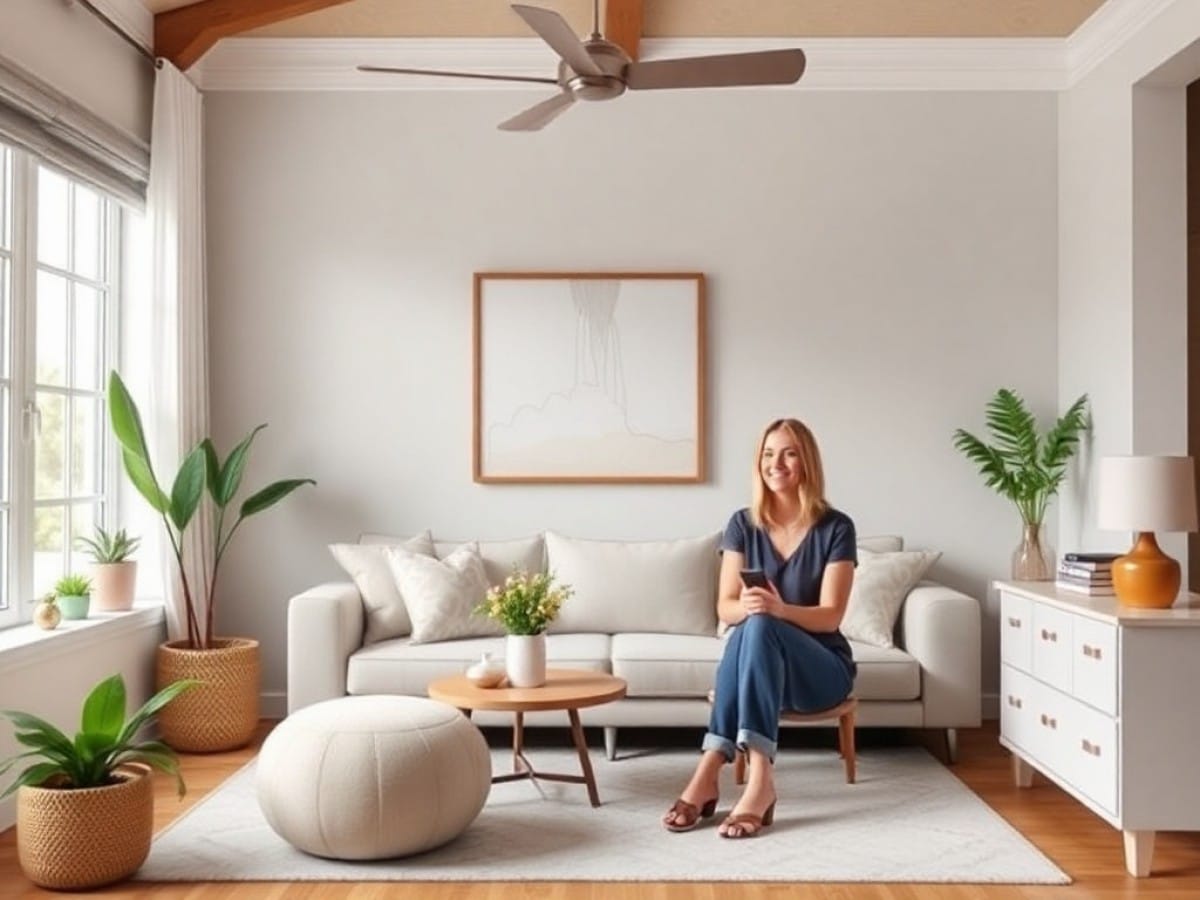
Navigating Children’s Decor Requests as a Mother and Interior Designer
As a mother of three and a professional interior designer, I’ve learned that it’s perfectly acceptable to sometimes say no to your children’s requests for specific room decorations. Balancing the artistic visions of my kids with practical and aesthetic considerations can be a delicate task, but it’s an important part of both parenting and designing.
Understanding Children’s Preferences
Children often have vibrant and ever-changing tastes, which they are eager to express through their personal spaces. They might be influenced by the latest movie they watched, a video game character they admire, or simply their favorite color of the moment. These preferences are an exciting way for them to express their growing personalities and imaginations.
However, as an interior designer, I also recognize the importance of creating a space that will grow with them and continue to be functional and appealing over time. This sometimes means compromising or declining their more extravagant or impractical ideas.
Making Practical Decisions
One of the main reasons it’s okay not to always give in to your children’s decor requests is the need for practicality. A room that is overly themed or tied to a specific phase might not be suitable or desirable in a year’s time. For instance, while a bed shaped like a race car or a princess castle might be thrilling for a four-year-old, it might not be as appreciated or practical for a ten-year-old.
Additionally, budget constraints are a reality for many families. Redecorating a room to match every new interest or phase can be financially unfeasible. Instead, finding ways to incorporate their current likes with accessories or smaller items can be a cost-effective and less permanent solution.
Encouraging Creativity Within Limits
Saying no to certain ideas doesn’t mean stifling creativity. It’s about guiding children to make choices that are both imaginative and long-lasting. For example, instead of painting an entire room in a bright, trendy color, you might suggest one accent wall or using removable decals that can be easily changed.
Involving children in the decision-making process can also be a great learning opportunity. It teaches them about compromise and the value of making thoughtful decisions. By discussing why some ideas might not be practical and exploring alternatives together, children can still feel their input is valued and learn about design in the process.
Creating a Space That Grows With Them
Ultimately, the goal is to create a space that can evolve as your child does. Selecting more neutral furniture and using accessories to bring in elements of their current interests can provide flexibility for updates without a complete overhaul. This approach not only saves time and money but also keeps their spaces adaptable and enjoyable for years to come.
As both a mother and an interior designer, I strive to strike a balance between accommodating my children’s creative desires and maintaining a home that is cohesive, stylish, and practical. While it’s okay to incorporate fun and whimsy into their rooms, some boundaries are necessary to ensure the space meets broader family needs and remains functional and pleasing over time.

Ethan Caldwell is a seasoned journalist specializing in world affairs and international relations.
With over a decade of experience covering geopolitical events, he brings sharp analysis and in-depth reporting to Urimuri.