EXCLUSIVE: David Robert Mitchell and J.J. Abrams drew from a diverse set of influences for their latest project, The End of Oak Street.
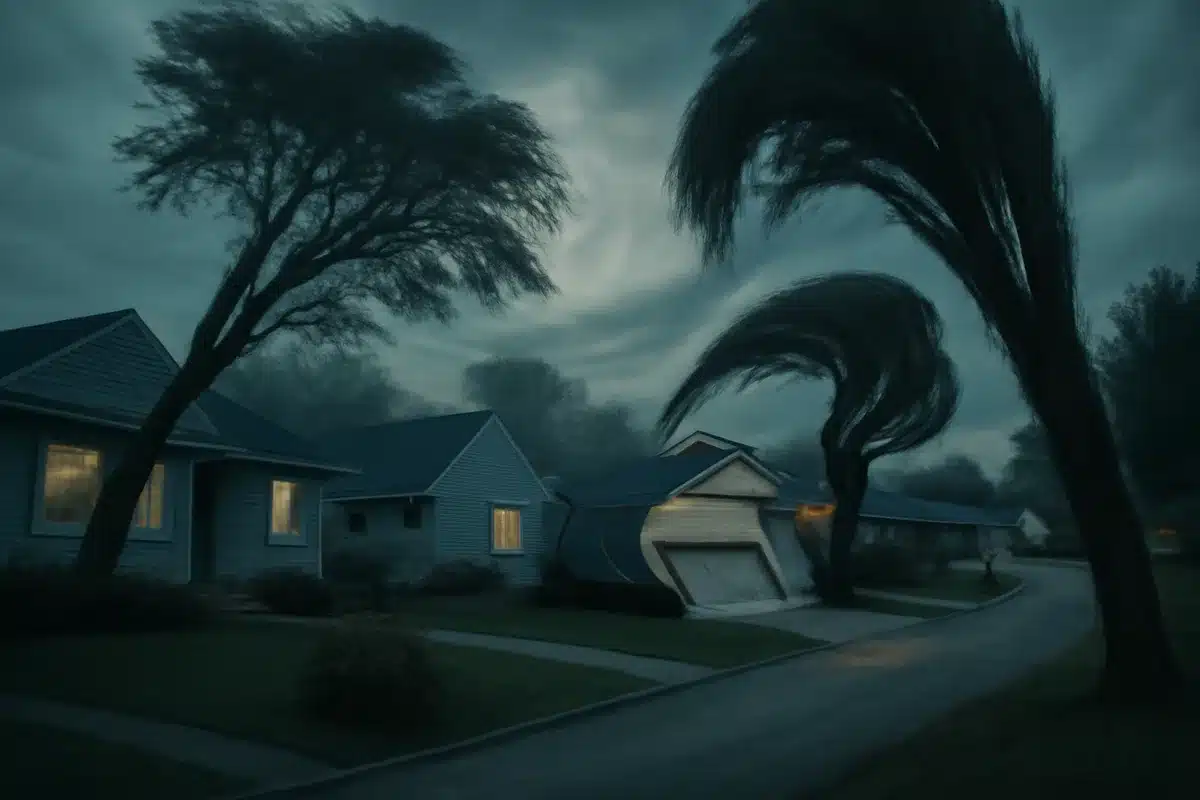
Originating from the mind of It Follows writer/director David Robert Mitchell, this new sci-fi thriller revolves around the Platt family—father Greg, mother Denise, daughter Audrey, and son Brian. Their typical, serene life in a Midwestern American suburb is upended when their neighborhood is inexplicably transported to a perilous new realm populated by dinosaurs and other ancient creatures. The film features performances by Anne Hathaway and Ewan McGregor, who are joined by Sweet Tooth‘s Christian Convery and Nashville‘s Maisy Stella.
In an interview with ScreenRant‘s Tatiana Hullender, J.J. Abrams and David Robert Mitchell shed light on the creative process behind The End of Oak Street. Mitchell mentioned that his personal experiences and memories from the 1980s played a significant role in shaping the narrative, saying he was “reflecting on my childhood and the times spent with my family” while developing the film.
Mitchell also acknowledged the broad range of cultural influences that shaped the film, citing everything from Ray Harryhausen’s legendary films to the iconic Twilight Zone television series. He specifically highlighted several Steven Spielberg films from his own childhood as significant influences, with “Poltergeist being a major source of inspiration.”

Abrams discussed his initial reaction to the End of Oak Street script, commending Mitchell’s fully realized vision for the project. He noted that “there were some adjustments along the way,” but as a producer, his primary goal was “to bring this vision to life on screen“:
JJ Abrams: My role wasn’t to alter or add to David’s work, but rather to support him in getting to production as swiftly and effectively as possible with the best team, because David had a clear and compelling vision for the film right from the start.
While many details of the film’s central mystery remain under wraps, the influences of its genre are evident throughout. The high-concept idea of a suburban street being thrown out of time seems like something straight out of a big-budget Twilight Zone episode, and the presence of dinosaurs has led to inevitable comparisons with Jurassic Park.
Mitchell’s choice of Poltergeist as a primary inspiration for The End of Oak Street is particularly notable. The 1982 Spielberg film also centered on a suburban family confronting a supernatural threat, which, although different in nature, similarly tested and ultimately strengthened family bonds.

Like Spielberg, who transitioned from sci-fi successes to his most chilling film with Poltergeist, Mitchell’s move from R-rated surreal narratives to a high-concept, adventurous project with The End of Oak Street represents a significant shift in his filmmaking. If he successfully blends the emotional depth of his inspirations with the intriguing new world he has created, it could very well broaden his appeal and solidify his status among a wider audience.

Ava Thornton is an entertainment journalist with a keen eye for the latest in Hollywood, indie films, and streaming trends.
Her work blends insider knowledge with a deep appreciation for storytelling.