My Journey to Becoming a NASA Astronaut After Multiple Rejections
Becoming an astronaut was a dream I nursed from childhood. However, achieving this dream proved to be more challenging than I had anticipated. I faced rejection from NASA not once, but three times. Despite these setbacks, I didn’t give up, and I eventually discovered the formula that led to my acceptance. Here’s a detailed account of my experience and what ultimately made the difference.
The Initial Attempts
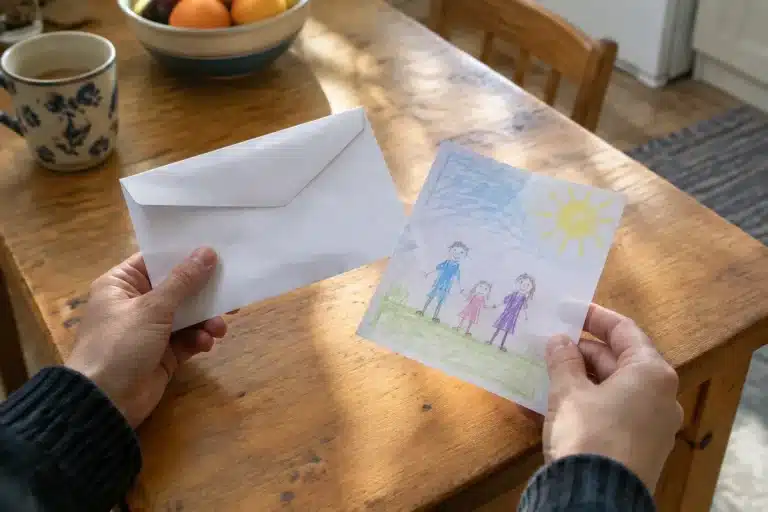
When I first decided to apply to be a NASA astronaut, I was filled with a mix of excitement and nervousness. My initial application was polished, containing all my academic and professional achievements that I believed made me a strong candidate. However, my confidence was shaken when I received a rejection letter. Undeterred, I applied two more times over the following years, each time enhancing my application with new skills and experiences I had gained. Despite these improvements, the result was still the same: rejection.
Reassessing My Approach
After the third rejection, I realized that simply adding new qualifications wasn’t enough. I needed to fundamentally reassess my approach. I started by seeking feedback from current astronauts and other professionals within NASA. This was a turning point, as it helped me understand what NASA was really looking for beyond the technical skills and educational background.
Building the Right Experience
One key piece of advice I received was the importance of relevant experience. NASA valued candidates who not only had strong academic backgrounds but also had practical, hands-on experience in environments that simulate space missions. I took this advice to heart and pursued opportunities that would give me this type of experience. This included participating in simulated space missions and spending time in isolated and extreme environments to prepare myself physically and mentally for the challenges of space.
Focusing on Soft Skills
Another area I worked on was developing my soft skills. Leadership, teamwork, and communication are critical in the confined and high-stress environment of a spacecraft. I took on leadership roles in team projects and joined groups that allowed me to improve these skills. I also made sure to highlight these experiences in my next application, showing that I could be an effective team player and leader.
Improving Physical Fitness
Physical fitness is another crucial aspect of being an astronaut. I intensified my physical training, focusing on both strength and endurance. I also made sure to get certifications in scuba diving and skydiving to demonstrate my comfort with high-risk activities that are somewhat analogous to spacewalks.
The Successful Application
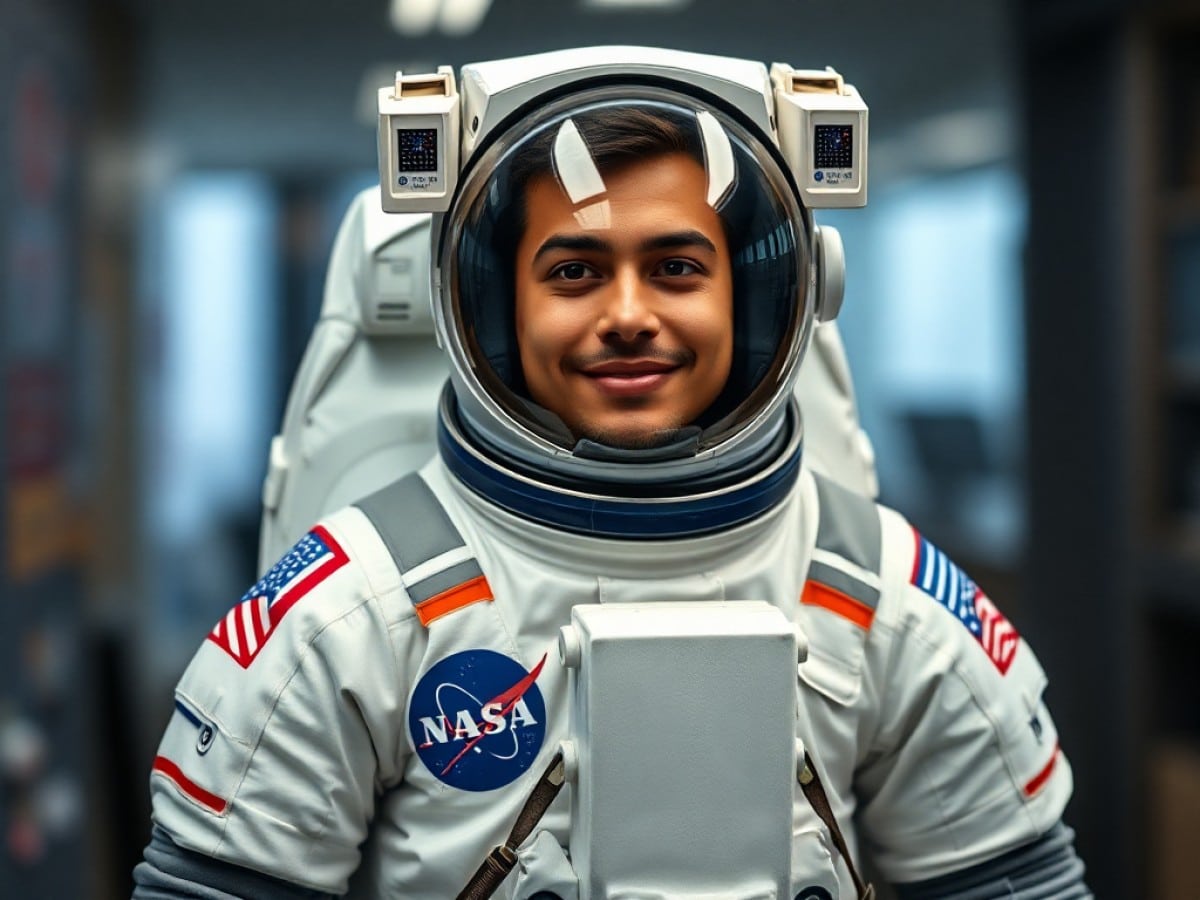
With a renewed focus and a retooled application that highlighted my hands-on experience, improved soft skills, and enhanced physical fitness, I applied to NASA once more. This time, the outcome was different. I was finally accepted into the astronaut training program.
The joy and pride I felt upon receiving the acceptance letter were indescribable. All the hard work, persistence, and strategic planning had finally paid off. I was going to be a NASA astronaut.
Lessons Learned
My journey taught me several valuable lessons. Persistence is crucial, but so is adaptability and willingness to receive and act on feedback. Each rejection, while disappointing, provided me with the opportunity to improve and come back stronger.
For anyone dreaming of becoming an astronaut, my advice is to not get discouraged by setbacks. Instead, view them as opportunities to learn and grow. Focus on building relevant experiences, enhancing your skill set, and never stop reaching for the stars.

Ethan Caldwell is a seasoned journalist specializing in world affairs and international relations.
With over a decade of experience covering geopolitical events, he brings sharp analysis and in-depth reporting to Urimuri.