EXCLUSIVE: No Hands: The Wild Ride of the Schwinn Bicycle Company chronicles the remarkable rise and collapse of the legendary American bike maker, with Lance Armstrong contributing both as an on-camera interviewee and as the film’s narrator.
Armstrong spoke with Deadline about the documentary’s portrayal of Schwinn’s journey — from immigrant-founded startup to household name and ultimately to bankruptcy — and reflected on how cycling history might have shifted if he had raced in Schwinn equipment during his peak, potentially sparking a renewed U.S. appetite for road bikes.
“It’s not the happiest conclusion for the family, but it’s a quintessentially American saga,” he tells Deadline of the feature. “It’s about an immigrant’s ambition and building something from nothing. It’s also, and this is something I enjoy thinking about, about the bicycle’s place in American life — something people sometimes overlook.”
Directed by Daniel Clarke of Unfeatured Films, No Hands is produced by the team behind The Lego Brickumentary (narrated by Jason Bateman) and Loopers: The Caddie’s Long Walk (narrated by Bill Murray). The project deploys AI-driven techniques to animate archival photos and recreate historical sequences. Deadline has an exclusive first look at the trailer as the film begins its festival circuit.
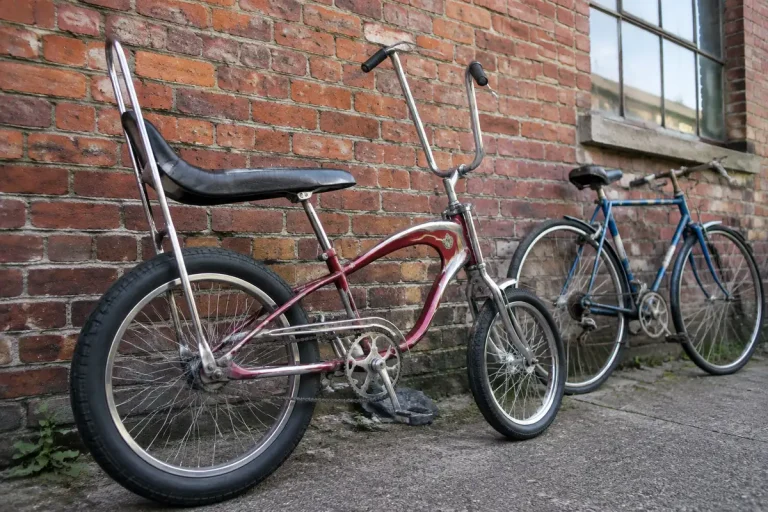
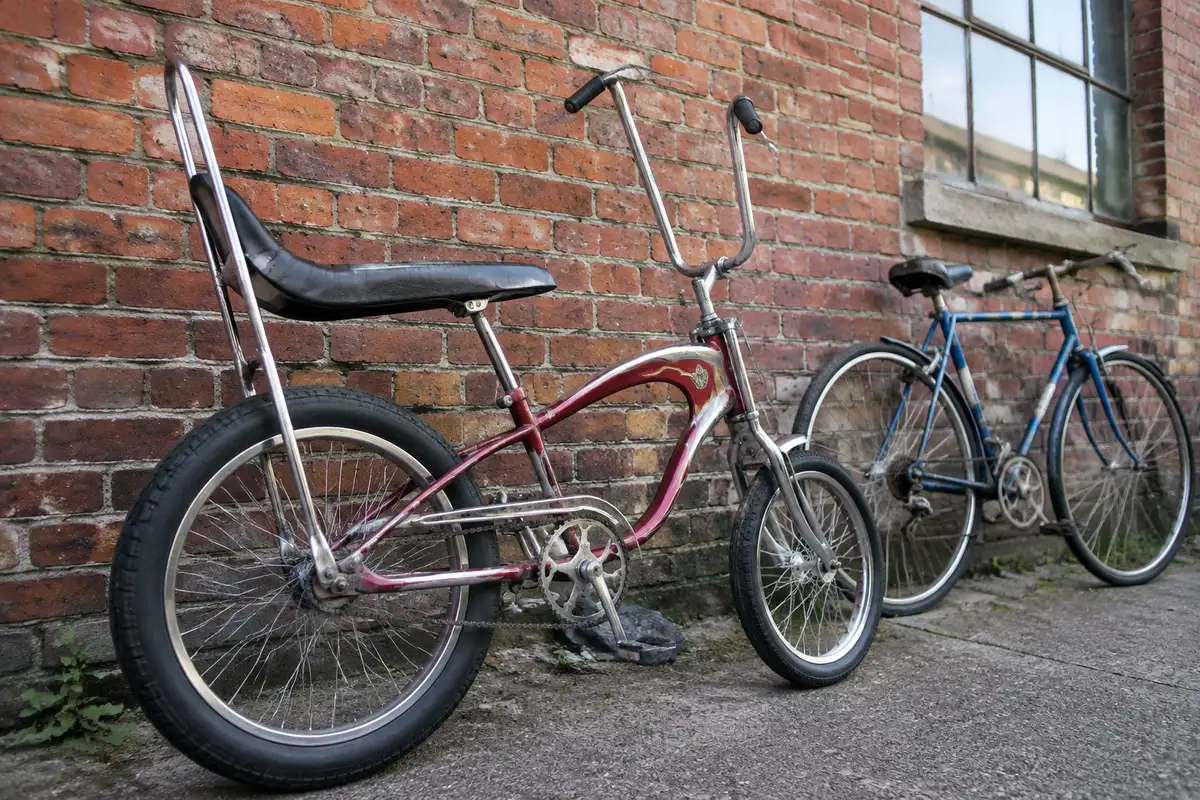
The film traces Ignaz Schwinn’s emigration from Germany and the 1895 establishment — alongside Adolph Arnold — of a Chicago-based bicycle company that would become synonymous with cycling in the United States. Viewers are taken through the models that inspired nostalgia across generations: early safety bikes, the Sting-Ray with its automobile-influenced styling, and performance-oriented machines like the Paramount.
Armstrong, who raced at the world’s highest levels, offers a personal recollection: he rode a Paramount at the 1989 Junior World Championships and still regards it as one of the best bikes he’s ever experienced.
No Hands illustrates how Schwinn was once at the forefront of the industry. The company embraced what today might be called influencer marketing, placing celebrities such as Roy Rogers, Frank Sinatra and Joan Crawford on Schwinns. It created branded retail outlets long before that tactic became common in the bike world and produced innovative design details that left an imprint on BMX, mountain biking and contemporary frame design. Yet, despite shaping multiple cycling trends, Schwinn failed to fully pivot as the sport and market evolved.
Armstrong sums up the trajectory succinctly: for a long time Schwinn led with innovation, and then it stopped adapting.
During his competitive career Armstrong rode Trek machines in the Tour de France and other marquee events. As American viewers watched their hero in the Yellow Jersey, domestic sales for companies like Trek and Specialized surged. Meanwhile, Schwinn lagged and ultimately sought Chapter 11 protection in 1992. The brand lived on under new ownership after bankruptcy; the filmmakers state they have no affiliation with the present-day Schwinn Bicycle Company.
“There’s a scenario where, had they agreed to move some production offshore earlier or embraced carbon fiber sooner — if that had been a Schwinn in my hands instead of a Trek — we’d be telling a very different story today,” Armstrong reflects.
The documentary’s narrative spans how a family-run enterprise became a cultural touchstone, opening with clips from movies and television that use Schwinn as shorthand for bicycles. Clarke describes his film as “a love letter to Schwinn that generations of kids deserve,” and says it examines Schwinn’s iconic designs, from the Sting-Ray’s influence on youth culture to the company’s role in BMX and mountain biking revolutions.
Featuring testimonies from enthusiasts, collectors, cycling innovators and members of the Schwinn family, No Hands seeks to explain how the brand reshaped cycling and the ways in which economic pressures, family disputes, shifting fads and the broader struggles of American manufacturing all contributed to its downfall.
Armstrong was enthusiastic about joining the project. “I watch probably an unhealthy amount of documentaries,” he admits, “so I’m generally drawn to this format, and on top of that I have a real connection to this brand.” Although he has been the subject of many films, this project offered him the different experience of both narrating and appearing as an interviewee in a documentary that isn’t centrally about him.
“I thought it would be fun to try,” he says of narrating. “I hope audiences like it. I enjoyed being involved — sitting for the interview and then going into the studio to record the voiceover.”
Beyond family drama and business maneuvering, No Hands ultimately celebrates the elemental pleasure of cycling, a joy Schwinn helped make accessible to many. The movie returns again and again to a simple truth: people rarely forget their first bike.
Armstrong speaks warmly in the film about the thrill and liberation of getting your first wheels. For him, that memory centers on a brown Schwinn Mag Scrambler — a bike that helped ignite a lifelong passion. Even decades later, at age 55, riding remains a near-spiritual experience: “If I can get up and go for a bike ride, there’s something almost church-like about it,” he says.
No Hands is a joint production of Tiburon Productions and Gem Pictures, in partnership with Brookwell McNamara Entertainment and KSQD Media, and produced by Human Design. Jim Packer of Lionsgate serves as an executive producer on the documentary alongside Chris Brown, David Brookwell, Carl Cramer, Khristian A. Howell and George K. Howell. The filmmakers emphasize that the documentary is an independent look at Schwinn’s history as it heads out to festivals.

Daniel Hayes is a business journalist with a focus on market trends, startups, and corporate strategies.
His sharp analysis and investigative reports make complex financial topics accessible to all readers.