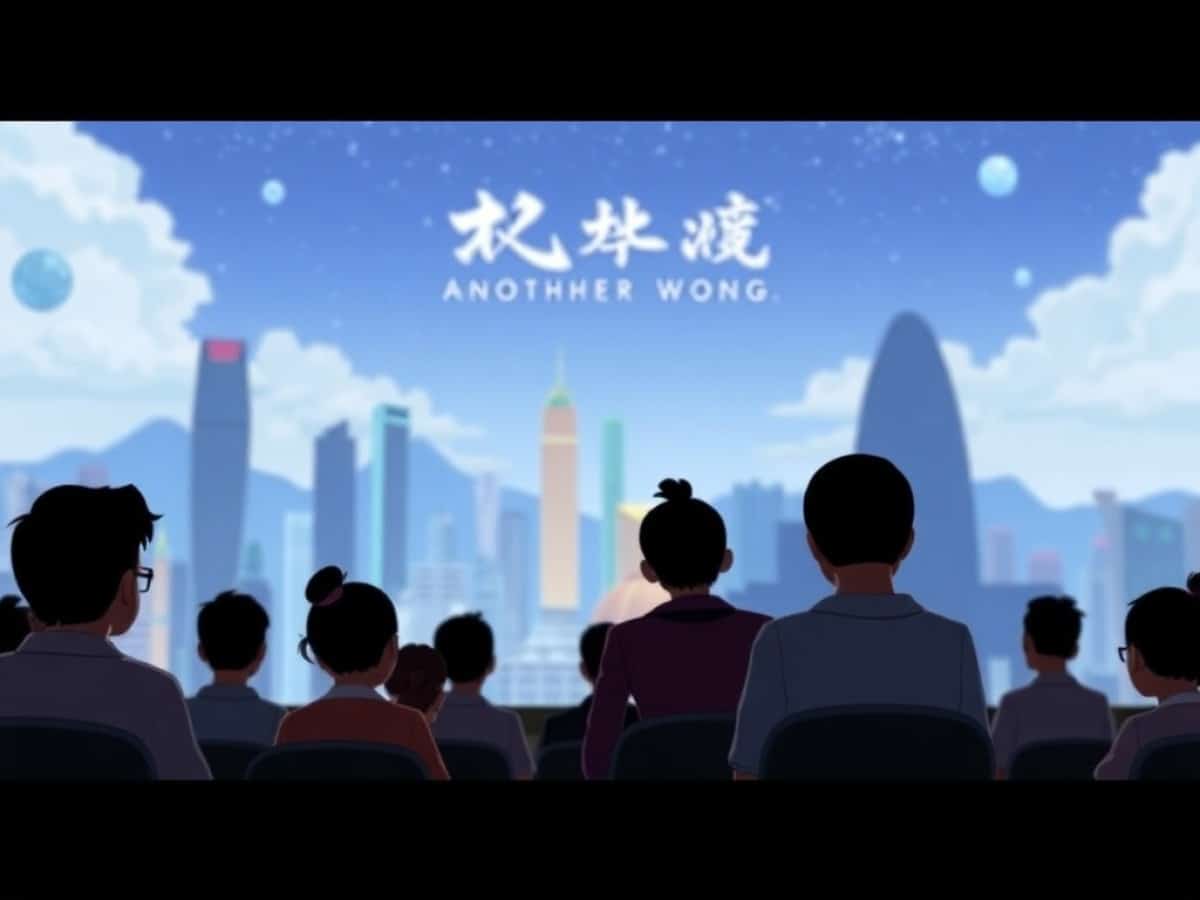
During a session at Filmart, which highlighted animation, the team behind the Hong Kong animated movie Another World shared insights on the film’s development and its successful expansion into global markets. The film was directed by Tommy Ng Kai-chung and produced by Polly Yeung.
After a seven-year production period, this 2D traditional animation made its debut at the Annecy International Animation Film Festival. It won the accolade for Best Animated Feature at the Golden Horse Awards in Taiwan and was featured at various other festivals such as Sitges, Pingyao, and Zurich. Edko Films handled its distribution within Hong Kong, where it became the top-grossing local film of the year and the most successful Hong Kong animated film ever.
North American distribution rights were secured by GKids, which is planning a June theatrical release. Following the film’s positive reception in Annecy, Goodfellas acquired international sales rights. The film has been sold in multiple regions, including the UK through Central City Media, with additional negotiations ongoing.
The film, inspired by a Japanese novel, tells the story of a spirit whose duty is to guide wandering souls to their next lives. The spirit, along with a young girl, embarks on a dangerous journey to save her from succumbing to her rage and turning into a monster. Yeung not only co-wrote the screenplay with Ng but also produced the film under their Hong Kong-based company, Point Five Creations, with additional production support from Chan Gin Kai of the Singapore-based Silver Media Group.
Yeung was initially exploring themes of anger management for her script when she discovered Naka Saijo’s novel, Sennenki: Thousand-Year Journey Of An Oni, and chose to adapt it into an animated film. She noted that animation allows for more creative freedom in genre and narrative structure compared to live-action films.
Yeung approached Ng, known for his animated shorts and work on the Hong Kong horror film Zombiology: Enjoy Yourself Tonight, to develop the project. They began by producing a 14-minute short film funded by Hong Kong’s Creative and Cultural Industries Development Agency (CCIDA) to attract financiers for a full-length feature.
Yeung admitted that realizing a full-length feature required much more than a short film, including a complete script and extensive concept art, which ultimately took seven years to finalize.
The film’s funding included contributions from Hong Kong, China, Singapore, Japan, and the Animekey streaming platform in Saudi Arabia. The Philippines’ Film Development Council also provided support through its ICOF program, with additional funding from CCIDA’s Film Development Fund.
The creative team was international, with animators from Hong Kong, France, and the Philippines, and background artists from Japan. This required around-the-clock coordination across different time zones. The film’s main characters, the spirit guide Gudu and the young girl Yuri, were designed by Ng.
Yeung highlighted the importance of participating in festivals like Annecy as a work-in-progress to gain visibility. It was at one such screening in Annecy that Eva Dottelonde of Goodfellas discovered the film.
Dottelonde mentioned that the emotional impact of the film on viewers at Annecy caught their attention, prompting them to reach out to Yeung for a screener. She stressed the importance of representing unique, conversation-starting films in their portfolio.
Despite challenges related to its animated nature and violent scenes, Dottelonde noted that the growing acceptance of non-Japanese Asian animation, especially among younger generations, is changing the landscape.
Sophie Wong of Central City Media in the UK was drawn to the film due to its affiliations with GKids and Annecy. She praised its visual appeal and complex yet touching storytelling, which she believed would resonate well in theaters.
CCIDA Commissioner Drew Lai discussed the rarity of Hong Kong projects receiving dual funding from the Create Smart initiative and FDF but anticipated more such occurrences as technological advancements influence production methods.
Yeung expressed optimism for the future of Hong Kong’s animation industry, emphasizing the importance of international co-productions and collaboration. She also touched on the potential and limitations of AI in animation, particularly in storyboarding and concept art.
Yeung concluded by mentioning ongoing work on a sequel to Another World, cautioning that it would take time as the story development is prioritized.
Filmart’s Another World case study was part of a broader discussion on the flourishing animation industry in Asia, including topics on leveraging animation IP and co-producing animation projects between Asia and Europe.

Daniel Hayes is a business journalist with a focus on market trends, startups, and corporate strategies.
His sharp analysis and investigative reports make complex financial topics accessible to all readers.