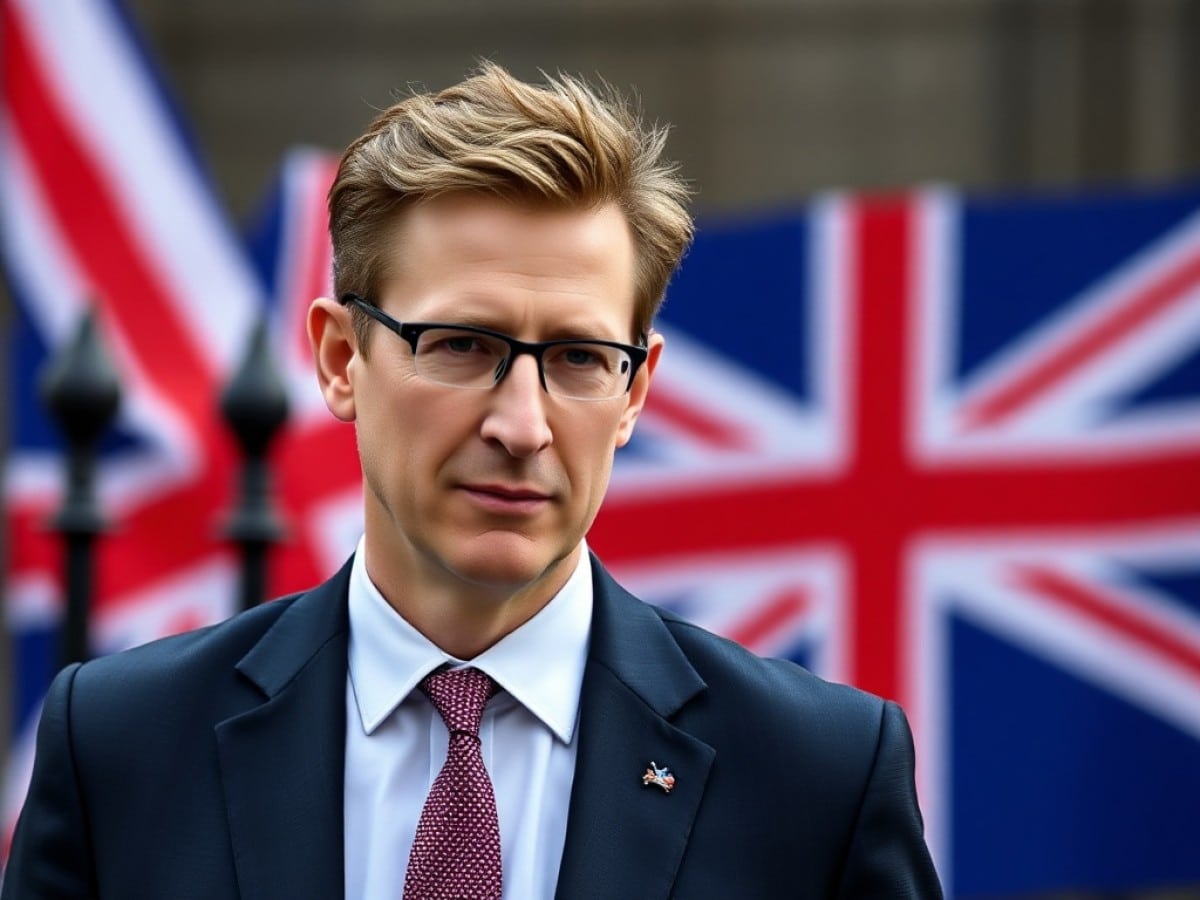
Amid a new political turmoil, the United Kingdom sees Prime Minister Keir Starmer stepping down, succumbing to heavy pressure from his political peers, Nigel Farage’s Reform UK, and the general public.
Becoming one of the least popular Prime Ministers in recent history, Starmer’s departure marks him as the sixth leader to resign without facing electoral defeat in the past decade.
The Labour Party, which he led, must now choose a successor to take the helm of the country.
An emotional Starmer addressed the nation this morning from Downing Street, stating: “This morning, I have informed His Majesty the King of my decision. The Labour Party’s National Executive Committee will organize a leadership election, opening nominations on July ninth and concluding by the summer recess. We aim to have a new leader in place by the time Parliament reconvenes in September.”
He affirmed his intention to stay in office as Prime Minister until a new leader is elected.
In the UK, political parties have the ability to change their leaders, including the Prime Minister, mid-term through internal elections triggered by sufficient no-confidence votes within the party. In this case, the Labour Party’s National Executive Committee will initiate a leadership election, and the winner will assume the role of Prime Minister.
The UK holds general elections every five years, and the incoming Prime Minister and Labour leader will not be obligated to call an early election. The next scheduled general election is in 2029.
Starmer’s leadership has been faltering due to a number of self-inflicted errors, notably appointing Peter Mandelson as the UK Ambassador to the United States despite his controversial ties with Jeffrey Epstein. After explosive details from the Epstein scandal emerged, Mandelson was dismissed from his role and arrested under suspicion of misconduct in public office. The catalyst for Starmer’s resignation became apparent following a by-election defeat in the Manchester constituency of Makerfield.
In that election, Labour’s Andy Burnham, a longstanding party member and former Mayor of Manchester, emerged victorious. His campaign was largely seen as a verdict on Starmer’s leadership. Burnham, who is now traveling to London to officially assume his role as MP for Makerfield, is widely favored to be Starmer’s successor.
The election also highlighted the growing influence of Nigel Farage’s Reform Party and the far-right Restore Britain party, led by Rupert Lowe. Despite the competition, Burnham’s victory over these parties at the Makerfield by-election was seen as a significant endorsement, potentially positioning him as the most capable Labour leader to challenge these parties in a general election. This sentiment likely influenced Starmer’s decision to resign.
Over the weekend, U.S. President Donald Trump shared his insights on Starmer’s resignation on Truth Social, attributing it to failures in handling immigration policies.
Trump expressed his views bluntly: “He failed badly on two very important subjects- IMMIGRATION AND ENERGY (OPEN NORTH SEA OIL!). I wish him well!” he posted.

Daniel Hayes is a business journalist with a focus on market trends, startups, and corporate strategies.
His sharp analysis and investigative reports make complex financial topics accessible to all readers.