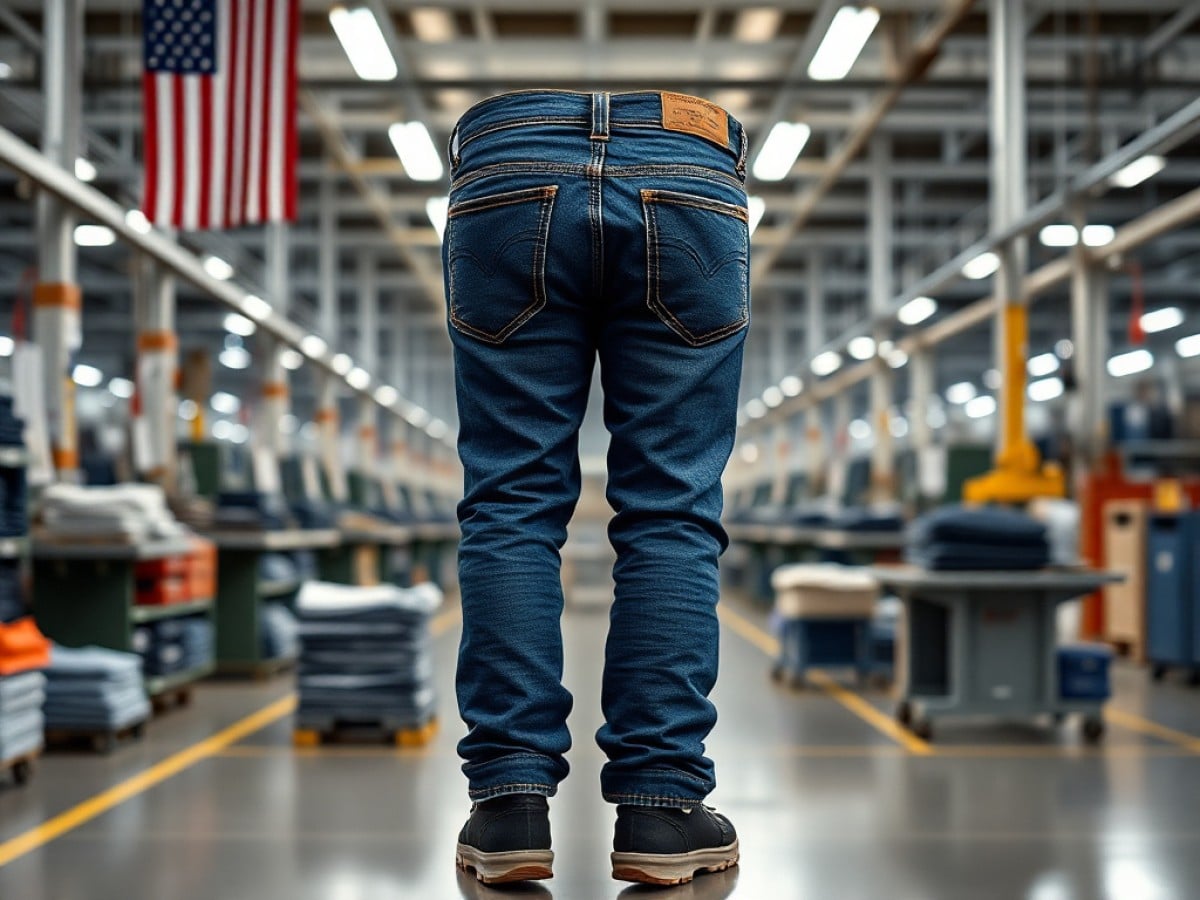
Can American Industries Hold Their Own Against Asian Giants in Denim Production?
The longstanding symbol of American culture, denim jeans, has largely shifted its manufacturing overseas, particularly to massive factories in Asia. This shift has raised questions regarding whether the United States can still be a competitive player in the manufacturing of this iconic apparel.
The Rise of Asian Manufacturing
For decades, American companies dominated the denim industry, with brands like Levi’s becoming household names around the world. However, over the past few years, the tide has turned. Asian countries, notably China, Vietnam, and Bangladesh, have taken the lead, thanks to their ability to mass-produce goods quickly and cheaply. These countries benefit from lower labor costs, extensive supply chains, and immense factories capable of churning out vast quantities of jeans, enabling them to dominate the market.
The American Response
In response, some American denim brands are focusing on niche markets and emphasizing quality over quantity. They are capitalizing on the “Made in USA” label, which appeals to certain consumer segments who are willing to pay a premium for garments perceived as having higher quality and ethical standards. Moreover, these brands often highlight the use of sustainable materials and fair labor practices, which resonate well with environmentally and socially conscious consumers.
Moreover, technological advancements and automation have become a beacon of hope for reviving American production capabilities. By investing in state-of-the-art machinery and lean manufacturing processes, U.S. factories are looking to enhance efficiency and reduce costs, which could help them regain some competitive edge.
Challenges Ahead
Despite these efforts, several challenges remain. The cost of labor in the U.S. is significantly higher than in many Asian countries, which continues to be a major hurdle. Additionally, American manufacturers often struggle with higher regulatory burdens and the lack of a complete supply chain, which can impede the speed and flexibility in production.
Furthermore, consumer behavior plays a crucial role. While a segment of buyers prefers products made in the USA, the majority tends to favor lower-priced items, which are often imported from abroad. This price sensitivity can limit the market for more expensive, domestically-produced jeans.
Looking to the Future
The future of American denim manufacturing hinges on several factors. Companies need to continue innovating and leveraging technology to cut costs and increase production efficiency. There is also a growing need to educate consumers about the benefits of purchasing domestically produced goods, which not only support local businesses but also tend to have a smaller environmental footprint.
In conclusion, while the U.S. may not currently be able to compete with the scale and cost of Asian megafactories, there is a viable path forward through specialization, technological advancement, and by tapping into the growing consumer awareness around ethical and sustainable practices. American denim manufacturers may not dominate the global market as they once did, but they can still carve out a sustainable and profitable niche.

Ethan Caldwell is a seasoned journalist specializing in world affairs and international relations.
With over a decade of experience covering geopolitical events, he brings sharp analysis and in-depth reporting to Urimuri.