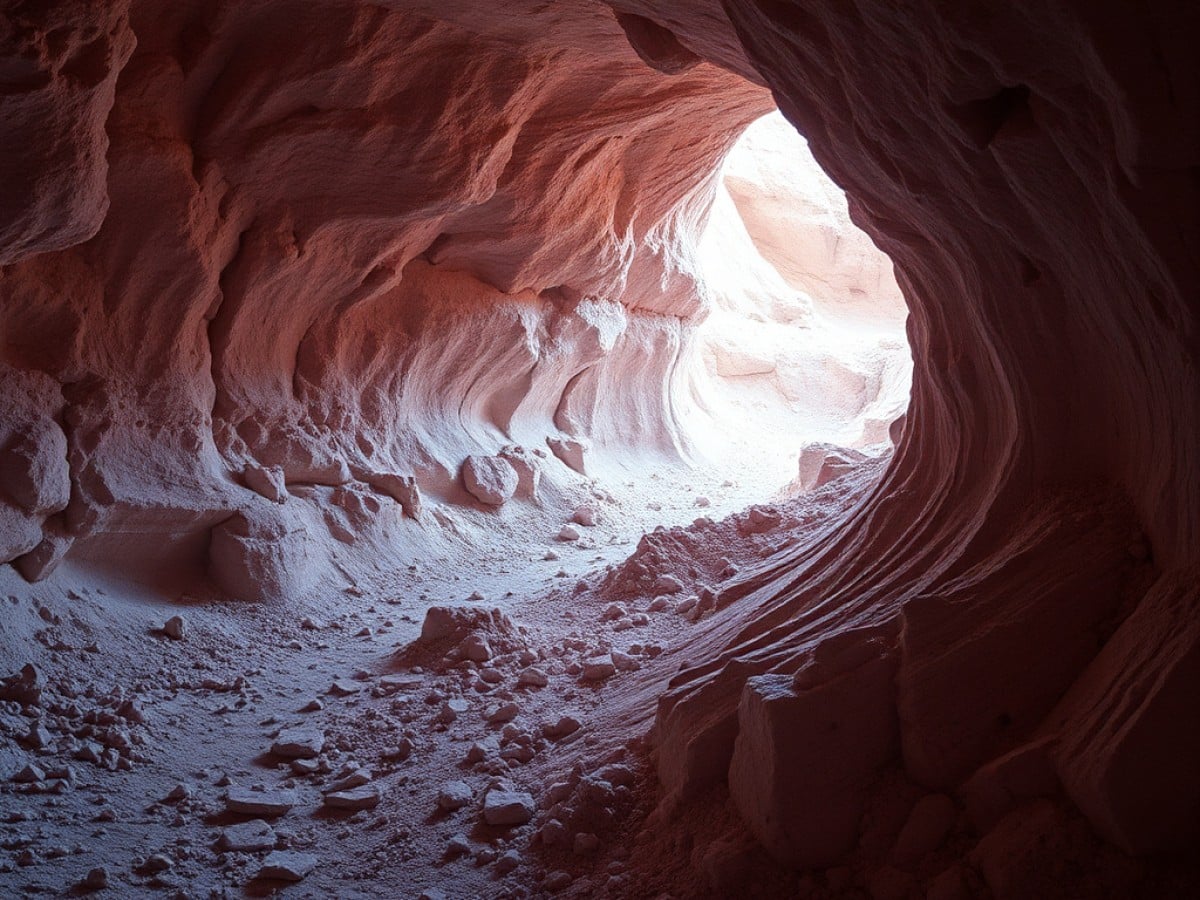
The Perils of Extracting Himalayan Pink Salt at Khewra Mine in Pakistan
Nestled in the heart of Pakistan, the Khewra Salt Mine is not only a significant historical site but also the main source of the prized Himalayan pink salt. This pink-hued salt, celebrated for its purported health benefits and aesthetic appeal in culinary presentations, is mined under challenging and risky conditions that highlight the darker side of this booming industry.
The Harsh Reality of Salt Mining
Mining operations in Khewra, one of the world’s oldest and largest salt mines, reveal a stark contrast between the allure of pink salt and the demanding conditions faced by the miners. The process of extracting Himalayan pink salt is labor-intensive and fraught with hazards, primarily due to the mine’s antiquated methods and lack of modern technology.
Workers, often lacking sufficient protective gear, descend deep into the earth in poorly ventilated environments. The air is dense with salt particles, posing severe health risks over prolonged exposure. Respiratory issues, skin problems, and eye irritations are common among the miners, yet many continue to work under these conditions due to economic necessity.
Antiquated Techniques and Equipment
In Khewra, traditional mining techniques still prevail. Miners use manual tools to extract salt blocks, which are then broken down into smaller pieces and transported out of the mine on wooden carts. This manual labor is not only physically exhausting but also inefficient compared to modern mechanized methods.
The lack of investment in better equipment and infrastructure exacerbates the risk of accidents and injuries. The dimly lit tunnels offer minimal visibility, increasing the likelihood of mishaps. Despite these dangers, there is little regulatory oversight to ensure worker safety and improve working conditions.
Economic Benefits vs. Human Cost
The extraction of Himalayan pink salt brings significant economic benefits to the region. It supports local economies and provides employment opportunities in an area with limited job prospects. However, this economic necessity comes at a human cost. Miners often work long hours for low wages and without adequate labor rights or protections.
Moreover, the environmental impact of mining on the surrounding ecosystem cannot be ignored. The disruption of natural habitats and the pollution resulting from mining activities contribute to ecological degradation, affecting local wildlife and communities.
Conclusion
While Himalayan pink salt continues to gain popularity worldwide, the conditions under which it is mined remain a concern. The beauty and benefits of the salt stand in stark contrast to the perilous and outdated mining practices at Khewra. There is a pressing need for improvements in mining conditions, better safety protocols, and a shift towards more sustainable practices to ensure the well-being of the miners and the environment. Without such changes, the true cost of Himalayan pink salt is far greater than its price tag suggests.

Ethan Caldwell is a seasoned journalist specializing in world affairs and international relations.
With over a decade of experience covering geopolitical events, he brings sharp analysis and in-depth reporting to Urimuri.