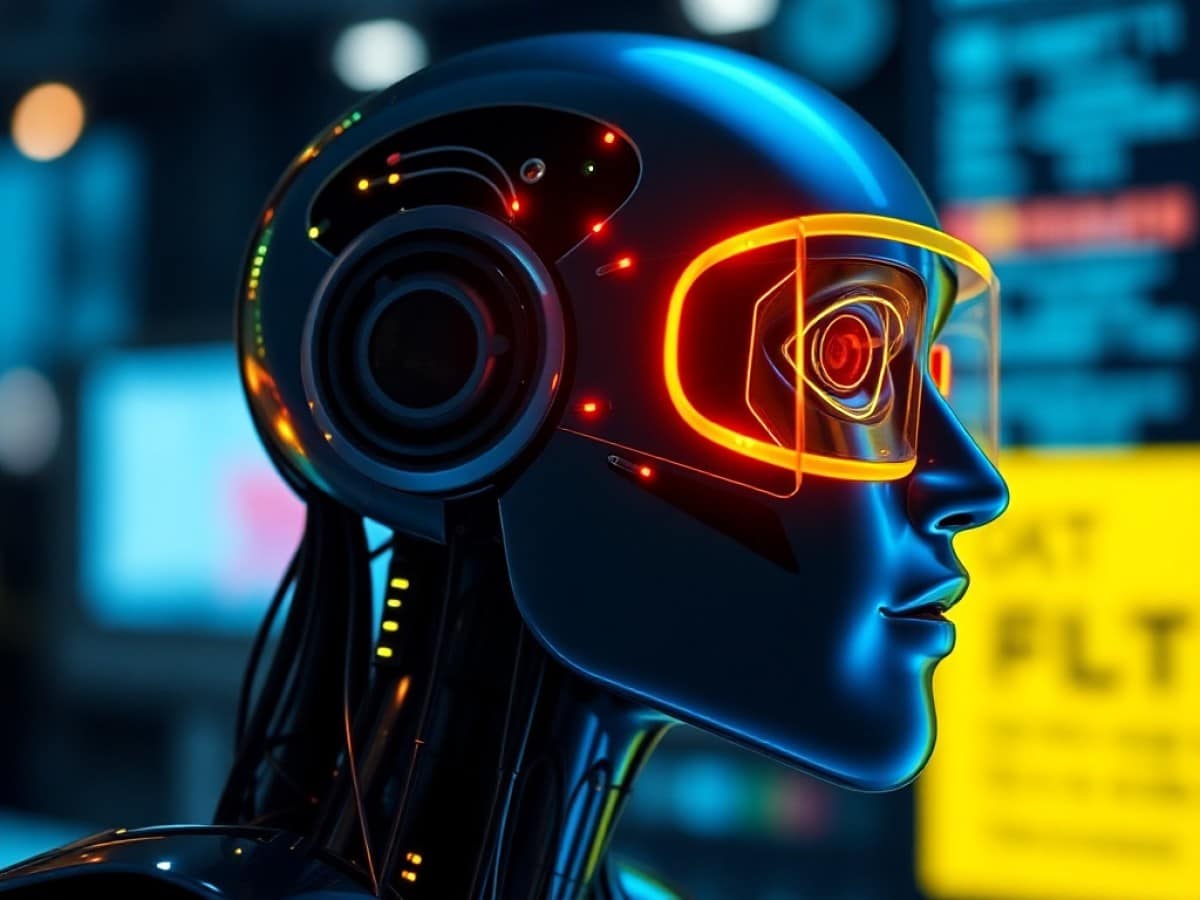
Top HR Executives Advocate for a Comprehensive Approach to AI Integration
The Scope of AI Beyond Simple Implementation
Top human resources (HR) leaders emphasize that the incorporation of artificial intelligence (AI) in the workplace transcends merely deploying AI-driven technology. These leaders advocate for a holistic strategy that encompasses a broader understanding and application of AI across various aspects of business operations.
AI technologies are often lauded for their efficiency and the potential to revolutionize productivity. However, the focus of HR professionals is increasingly shifting towards a more integrated approach. This approach not only considers the technological adoption but also how it aligns with overall business strategies and the workforce’s needs.
Strategic Alignment and Workforce Considerations
Integrating AI into the workplace is not just about the tools themselves but about how these tools can enhance the performance of a business and its employees. HR leaders stress the importance of ensuring that AI tools are in line with the strategic goals of the organization. This involves understanding the specific needs of the business and identifying which AI solutions can best meet these needs.
Moreover, there’s a significant emphasis on the workforce dynamics. AI implementation can cause apprehension among employees, particularly concerning job security and changes in job roles. Top HR executives are deeply involved in managing these changes, ensuring that AI serves as a complement to human skills rather than a replacement.
Training and development are seen as critical components in this process. Employees need the right skills to work alongside AI technologies, which may involve new training programs or updating existing ones to include AI literacy.
The Importance of Ethical Considerations
Another critical aspect of AI adoption in the business environment is adhering to ethical standards. AI systems can sometimes operate in ways that are not transparent, leading to issues of bias and fairness. HR leaders are at the forefront of addressing these challenges by advocating for transparency and accountability in AI implementations.
This ethical approach also extends to how AI is used to make decisions affecting employees, such as in hiring, promotions, and daily operational tasks. Ensuring that AI tools are used fairly and responsibly is paramount in maintaining trust and integrity within the workplace.
Conclusion
The role of AI in businesses, particularly through the lens of human resources, is evolving from mere technological adoption to a more comprehensive, strategic, and ethical integration. By viewing AI as a tool that must align with both business objectives and the human aspect of operations, HR leaders are setting a new standard on how AI should be incorporated into the organizational fabric. This not only maximizes the benefits of AI but also safeguards against potential pitfalls, ensuring a balanced approach to modern technology in the workplace.

Ethan Caldwell is a seasoned journalist specializing in world affairs and international relations.
With over a decade of experience covering geopolitical events, he brings sharp analysis and in-depth reporting to Urimuri.