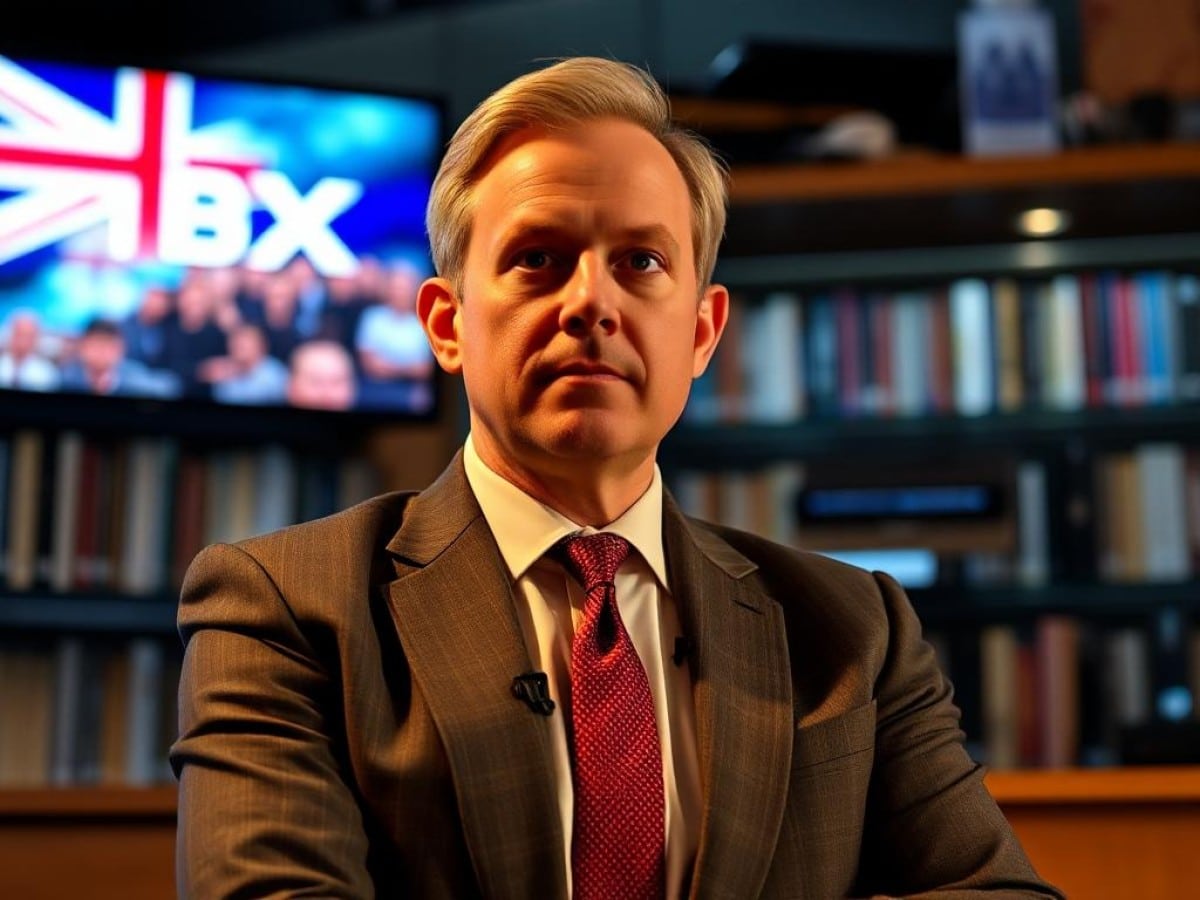
EXCLUSIVE: UK Culture Secretary Chris Bryant has tempered expectations for enhancements to the UK’s High-End TV (HETV) tax incentive despite widespread calls from the sector.
In a conversation with Deadline, Bryant mentioned that the tax incentive issue remains under consideration but emphasized that any decisions would be deferred to the upcoming budget, prepared by Chancellor Rachel Reeves, which is not due for several months.
Notable industry professionals such as Doctor Who producer Jane Tranter and Black Doves Executive Producer Jane Featherstone have suggested increasing the current 25% tax credit to 40% to align with the indie film sector. Additionally, there have been proposals for support for less expensive productions that cost between £1M and £3M per hour. Earlier this year, the Culture, Media & Sport Committee released a significant report urging the British Film Institute to “urgently conduct analysis on the potential design and return on investment of a targeted uplift” for the tax incentive.
Bryant highlighted, “Our current tax credits are highly competitive globally, and it is crucial to maintain this. We consistently review these policies,” he remarked, following the unveiling of a comprehensive £75M ($102M) creative sector strategy by his department.
“Tax adjustments or changes are strictly budgetary matters, not merely a part of industrial strategy or spending reviews,” Bryant further explained. “These rebates have proven highly effective, and we aim to keep our competitive edge moving forward.”
Bryant acknowledged that there has been significant lobbying for changes to the tax credits, including new proposals for a movie distribution credit. However, he noted, “I have yet to see data that supports these changes economically.”
He referenced the previous administration’s implementation of the 40% indie film credit as evidence that governmental bodies do act when necessary, highlighting its widespread acclaim and the benefits it brought to a struggling industry sector.
Embracing a Diverse Media Landscape
The HETV tax credit has significantly influenced British television over the past decade. However, producing drama series has become increasingly challenging, particularly as the BBC faces a funding crisis in its scripted segment, compounded by American companies withdrawing from co-productions.
Despite rising costs, partly due to American streaming services, Bryant expressed his admiration for Netflix, highlighting the benefits of a diverse media ecosystem, “I appreciate the mixed media landscape and am not hesitant to support it,” he stated at a recent high-profile Netflix event.
He assured that the Labour government would not impose a streaming tax, recognizing the dual challenges and opportunities brought by streaming platforms: “I seek the best of both worlds—excellent content from the UK that is globally marketable, while also supporting our public service broadcasters to thrive and produce both globally and locally appealing content.”
Previously, Bryant addressed potential repercussions from Donald Trump’s impromptu film tariff proposal, noting, “Hollywood is focused on global audiences and is aware that their profits are greater internationally than domestically.”
He emphasized the importance of robust production budgets for public service broadcasters to support strong UK content creation without the need for a streaming tax.
The recent creative sector strategy also includes a review to facilitate mergers and partnerships among broadcasters, with speculation about ITV being up for sale. “I am open to mergers but cautious about losing significant production budgets crucial for domestic content,” Bryant stated.
When asked about easing restrictions for foreign entities like the Abu Dhabi-backed RedBird IMI to acquire broadcasters, Bryant deflected, hinting that such discussions were not part of the day’s agenda.
Bryant expressed satisfaction with the creative sector plan aimed at making the UK the prime location for film and TV production by 2035, particularly praising the investments in the National Film & Television School and partnerships with major industry players aimed at diversifying the industry.
“Our goal is to open up the industry beyond the traditional networks, ensuring a wide array of stories and perspectives,” he concluded.

Daniel Hayes is a business journalist with a focus on market trends, startups, and corporate strategies.
His sharp analysis and investigative reports make complex financial topics accessible to all readers.